
Custom CRM Software
The right CRM Software for a small business in Singapore fits its purpose and budget, connects to your accounting, handles GST, grows with you and is easy for your team to use.
Published

When you run a small business, every tool you invest in matters, and CRM Software is no exception. But with a plethora of options out there, how do you choose the CRM Software for a small business in Singapore that fits the way you actually sell and serve customers?
The same considerations apply whether you are comparing packaged products or looking at a CRM System built around SMEs in Singapore. Nine of them decide the fit.
Key takeaways at a glance
| Key takeaway | What it means for you |
|---|---|
| The cheapest CRM is rarely the most cost-effective | Count upgrades, customisations and support as well as the initial price, and look for transparent pricing. |
| Your CRM has to grow with you | It should handle more users and a growing customer base without prohibitive costs or complexity. |
| Purpose comes before features | Decide whether the CRM is mainly for sales, customer service or marketing, and pick one that is strong where you need it. |
| Integration is where the real power lies | A CRM connected to your accounting and inventory moves data between systems without anyone retyping it. |
| A Singapore business needs local fit | GST on local transactions, multi-language communication and local customer service habits all count. |
| Ease of use and support decide adoption | Without an IT team on hand, a simple interface, proper training and reachable support keep the CRM in use. |
| Customisation and data security are not optional | The CRM should adapt to your processes and protect customer data with encryption, audits and international standards. |
Swipe to see the whole table
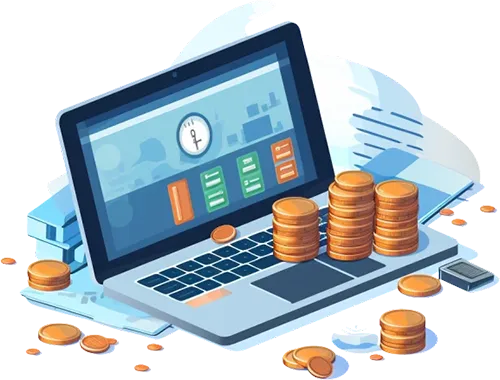
Every small business owner knows the importance of a tight budget, and everyone wants more bang for their buck. The catch is that the cheapest option is not always the most cost-effective.
Look for transparent pricing that says clearly what is included. Free trials or flexible payment plans can be a boon for small businesses testing the waters.
Weigh the long-term costs as well as the initial price:
Two questions to settle before any demo: how big might you get, and what is the CRM for?

Small businesses can grow unpredictably, and your CRM should scale with you without prohibitive costs or complexity. Can it handle more users or a growing customer base without performance hiccups? Look for solutions like Episcript's CRM Software, built with scalability in mind, so your CRM keeps pace as your business expands.

Are you looking to improve customer service, sales or marketing, or perhaps all three? Each CRM has its strengths: to boost sales, a CRM that excels in lead management, turning leads into lifelong customers, might be your best bet, while for customer service you should focus on strong communication tools. If you are still pinning down what a CRM does for customer engagement, settle that first, because a jack of all trades is often a master of none.
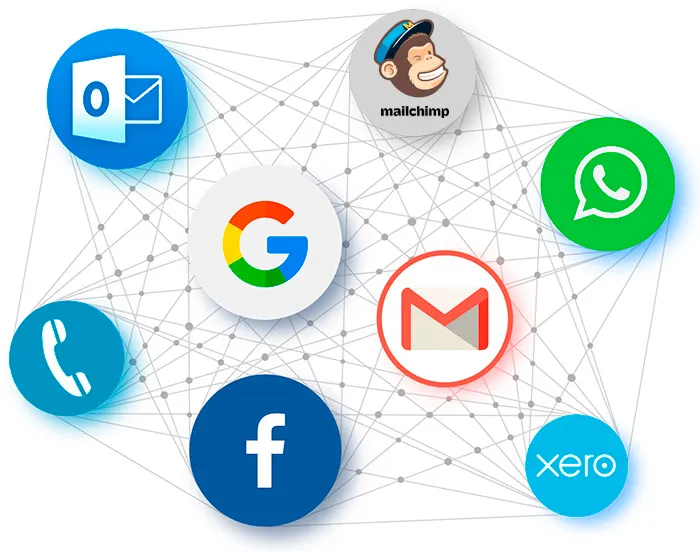
A standalone CRM might seem sufficient, but the real power lies in integration. Can the CRM integrate with your accounting software or inventory system?
If it can, data moves between systems without being retyped, which improves accuracy and efficiency.
A well-integrated CRM works like a symphony, with every instrument playing in harmony.
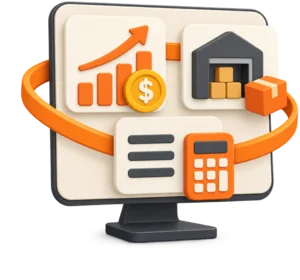
Think about how a CRM can integrate with ERP Software to streamline operations even more. If the line between the two is blurry, start with how an ERP System works.
Singapore's business ecosystem is unique, and the CRM a Singapore SME chooses should reflect that.
Localisation is not just about language.
Check that the CRM accommodates GST for the transactions you handle in Singapore.
Ask whether it is equipped to handle communications in more than one language for a diverse clientele.
Localisation also covers the cultural nuances in customer service and business operations that resonate with a local audience.

In something as integral as a CRM, ease of use is paramount. Small businesses rarely have a dedicated IT team to troubleshoot every hiccup.
User-friendly CRM Software is like a well-designed car dashboard: everything you need is within arm's reach, clearly marked and easy to use. Look for a clean interface, straightforward navigation and a gentle learning curve that will not leave your team frustrated.
Even the most intuitive software can sometimes leave users scratching their heads.

Look for a vendor that trains your team properly and then stays within reach, be it through live chat, phone or email. A vendor who is ready to walk you through every step of the process makes your CRM journey smooth sailing.
No two businesses are the same, so why should their CRMs be? A good CRM lets you mould it to your unique needs with custom fields, bespoke reports or tailored workflows, rather than boxing you into a one-size-fits-all scenario.
Can you add custom tags to customer profiles, or create fields specific to your operations? Your business, your rules.
A good CRM does not force you to change your processes; it evolves with them.
Data is the new gold, and just like gold, it needs safeguarding. Strong security in a CRM is non-negotiable.
A breach is not just about data loss; it is about trust loss.

Choosing a CRM for your small business in Singapore is a bit like finding the perfect pair of shoes: it must fit just right, be comfortable and match your style. It might take some trial and error, but with persistence and clarity you will find your match. Cheers to smarter business decisions!
If no packaged product fits, Episcript builds CRM Software for small businesses in Singapore around the way your team already works, and our solutions are eligible for government grants.
Start by deciding what the CRM is for, then weigh its long-term cost, room to grow, integration with accounting and inventory, local fit such as GST, ease of use, support, customisation and data security.
Rarely, because the cheapest option is not always the most cost-effective once upgrades, customisations and support are counted. Look for transparent pricing, and use free trials or flexible payment plans to test the fit.
Integration lets your CRM share data with your accounting software and inventory system, and details move between them without being retyped. That improves accuracy and efficiency, and pairing a CRM with ERP Software streamlines operations further.
A CRM System in Singapore should accommodate GST on local transactions, handle multi-language communication for a diverse clientele and suit local customer service habits. Localisation is about more than language.
Small businesses rarely have a dedicated IT team to troubleshoot problems, and a clean interface, straightforward navigation and a gentle learning curve decide whether your team actually uses the CRM. Proper training and reachable support help too.
A small business CRM should have, at a minimum, encryption, regular security audits and compliance with international standards. Customer data is your business's lifeline, and a breach costs trust as well as data.
A good CRM can be shaped with custom fields, bespoke reports and tailored workflows, evolving with your processes instead of forcing new ones. Episcript builds CRM Software around how your team works, and it is eligible for government grants.
Excel is not a CRM System, although many small businesses start with a spreadsheet of customers. A CRM keeps every contact, enquiry and follow-up on one shared customer record, which a spreadsheet passed between staff cannot do reliably.
Capture every enquiry, deal and conversation your organisation needs to keep a profitable operation running.
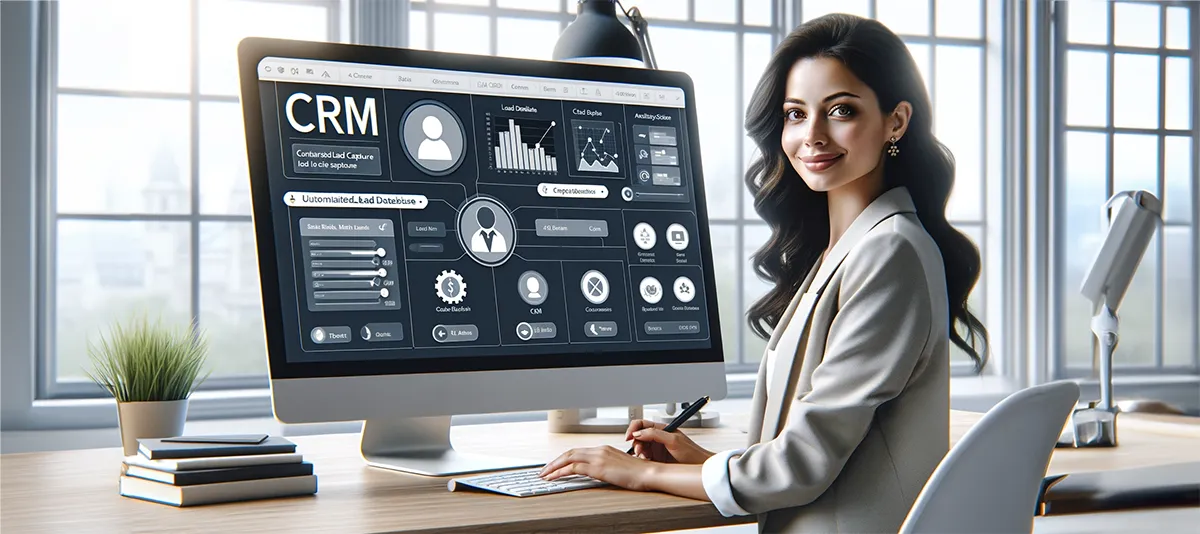
The meaning of a CRM System, minus the jargon: one shared record of every customer conversation, the functions it runs for sales and support, and why the benefits show up on the revenue line.
Read the article →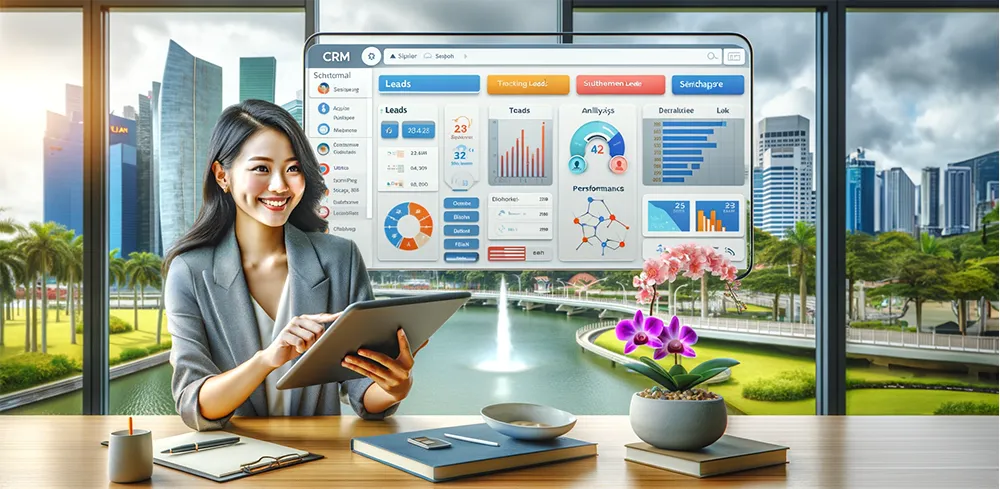
CRM lead management means capturing every enquiry, scoring it and following it up through the sales pipeline until it becomes a customer, with a custom CRM doing the remembering your sales team would rather not.
Read the article →