Fleet management software in Singapore for companies that run their own vehicles

Episcript builds fleet management software in Singapore for companies whose vehicles are working assets: the vans, lorries, pool cars and site equipment your teams depend on every day. The vehicle register, servicing, renewals, fuel cards, driver assignments, incidents, fines and running costs all sit on one record per vehicle. AI features, such as reading workshop invoices and fuel card statements, can be added in their own phase.

Built for service and maintenance contractors, construction and engineering firms, facilities management companies, distributors with their own vans, rental fleets and companies with pool cars.

  • Built and supported in Singapore
  • Eligible for government grants
  • Road tax, insurance, inspection and COE dates on every vehicle
  • Connects to GPS and telematics feeds where your devices provide one
  • AI features that work with your own fleet records
Fleet dashboard of company vans, lorries and pool cars with service due dates and renewals, beside a phone showing a vehicle handover check

The vehicle year

Fleet management software that runs every vehicle from one record

Assignments, fuel, servicing, inspections, renewals and running costs all work from one vehicle record, which keeps its history from the day the vehicle joins the fleet to the day it is sold.

Vehicle register

Vehicle register and fleet asset records

Ask most companies how many vehicles they run and the answer comes quickly. Ask when each one's insurance runs out, who drove it last Tuesday or what it cost to keep on the road last year, and someone opens three spreadsheets and a filing cabinet. The vehicle register gives every vehicle one record: its registration and specifications, how it is owned or leased, the documents that belong to it, and every assignment, service, fill-up and incident since it joined the fleet.

Vans, lorries, pool cars, motorcycles and site equipment such as forklifts can sit in the same register, each with the fields that matter for its type. If your vehicles also carry other people's goods for a fee, dispatch, proof of delivery and trip billing belong in our transport management system, which can share the same vehicle records.

  • Registration, make, model, chassis number and specifications
  • Owned, leased or rented, with the purchase price or lease terms and end date
  • Insurance certificates, registration papers and lease agreements attached to the record
  • The department, site or project each vehicle belongs to
  • The full history of drivers, servicing, fuel, incidents and costs
Vehicle record showing a van's registration details, assigned driver, upcoming renewal dates and service history

Fleet maintenance

Fleet maintenance software for preventive servicing and repairs

Most breakdowns give notice: a service that slipped by a month, a warning light a driver mentioned in passing, tyres nobody checked. Preventive maintenance puts every vehicle on a schedule your workshop can plan around, and the repair records show what each vehicle really costs to keep running. Workshop invoices and parts purchases can pass to your accounts, or into a custom ERP system that runs purchasing and finance on the same records.

Van beside an odometer and a calendar page marking its next service

Service schedules by mileage and date

Each vehicle model gets its own service interval, by distance, by date or by engine hours for site equipment, whichever falls first. Your fleet coordinator sees what is due in the next fortnight and books the workshop on a day the vehicle is not needed. It pays to agree service intervals for a mixed fleet before the schedules are loaded.

Workshop job card on a clipboard with a spanner resting across it

Workshop job cards

Every workshop visit, in-house or outside, opens a job card with the work requested, the parts used, the labour and the invoice. When the same fault comes back three weeks later, the earlier job card is on the vehicle's record to show the workshop.

Phone showing a photo of a cracked wing mirror with a warning flag beside it

Driver defect reports

Drivers report a defect from their phone with a photo, such as a cracked mirror or a warning light on the dashboard, and the report reaches whoever arranges repairs. A serious defect can take the vehicle out of use until it is fixed.

Folder of repair invoices beside a small stack of coins

Repair history and maintenance costs

Servicing and repair costs build up against each vehicle and each model. A van that has cost more in repairs this year than its sister vehicles stands out in the report, well before the next large bill arrives.

Vehicle tyre standing beside a car battery and a box of spare parts

Tyres, batteries and parts

Tyre changes, battery replacements and parts fitted are recorded against the vehicle with the date and mileage. Where you keep spare parts in your own store, stock levels fall as parts are issued to job cards.

Parked van beside a large clock counting its time off the road

Downtime and replacement vehicles

Every day a vehicle spends off the road is recorded with its reason. You can see which vehicles spend most time in the workshop, and which teams were lent a replacement while theirs was away.

Renewals and inspections

Road tax, insurance, inspection and COE renewal tracking

A lapsed road tax or insurance policy is rarely noticed until the vehicle is stopped or involved in an accident, and by then it is an expensive discovery. The system holds each renewal date against the vehicle and reminds the person responsible well ahead, say a month before and again a week before, then keeps the renewed certificate on the record.

COE expiry deserves a decision rather than a reminder. Well before a vehicle's COE runs out, its record shows the age, mileage and repair history together, which gives you the facts to decide whether to renew, replace or retire it. Where a vehicle needs a periodic LTA inspection, the due date sits on its record and the inspection can be booked around its work.

Dates the system tracks

Renewal dates held against every vehicle

  • Road tax expiry, with the renewal recorded once it is paid
  • Insurance policy period, insurer and certificate
  • LTA inspection due dates for the vehicles that need them
  • COE expiry, with the decision to renew or replace noted on the record
  • Lease and rental contract end dates
  • Warranty end dates and any permits a vehicle carries

Drivers and incidents

Driver assignment, licence records, accidents and traffic fines

Vehicles are only half of a fleet. The other half is who is driving them, whether they are licensed for that vehicle and what happens when something goes wrong. These records sit on the driver and the vehicle at the same time, which is what makes a fine or a dented door traceable weeks later.

Staff profile card with a photo and two lines of details

Driver and vehicle assignment

Each vehicle shows who holds it and since when, whether it is assigned to one person, a team or the pool. Reassigning a van when a technician leaves takes a minute, and the change is dated on both records.

Hand holding a phone that scans a QR code

Vehicle handover checks

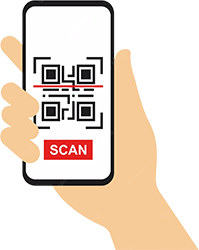
At each handover the driver scans the vehicle's QR code, records the mileage and fuel level, and photographs any existing damage. Nobody is blamed for a scratch that was already there when they took the keys.

Two curved arrows circling a tick

Licence and permit expiry

Each driver's licence class and expiry date sit on their record, with reminders before it lapses. Assigning a vehicle to someone whose licence does not cover it brings up a warning before the keys change hands.

Phone and envelope each carrying a warning sign

Accident, damage and incident reports

Drivers report an accident from the scene with photos, the location and the other party's details. The report, the repair, any insurance claim reference and the outcome stay on the vehicle record, and repeat incidents show up by driver.

Bell marked with a dollar sign

Traffic fines and summonses

When a summons arrives, its date and time are matched to whoever held the vehicle at that moment, and the driver is identified the same day. Payment, appeal or recovery from the driver is recorded against the fine.

Company van with a key and a booking tag hanging from it

Pool vehicle booking

Staff book a pool car or van for a date and time, see which vehicles are free and collect the keys at the counter. Where meeting rooms and equipment are booked the same way, our booking management software puts all of them on one calendar.

Fuel management

Fuel management for fleets: fuel cards, fill-ups and consumption

Fuel is a cost every fleet pays every week, and often the one least checked. The monthly fuel card statement arrives as a long list of card numbers, and matching each line to a vehicle and a driver takes someone a day, if it is done at all. The system imports fuel card statements and matches each fill-up to the vehicle and to the driver who held it at the time.

Consumption is worked out per vehicle from the fill-ups and the mileage, which picks out the van using noticeably more fuel than its sister vehicles on similar work. Fill-ups paid in cash or on a personal card are claimed with a receipt photo, and electric vehicles record their charging sessions and costs in place of fill-ups.

  • Fuel card statements imported and matched to vehicles and drivers
  • Each fuel card assigned to a vehicle or a driver, with its history kept
  • Consumption per vehicle, per model and per driver
  • Flags for a fill-up larger than the tank, or a card used while its vehicle was in the workshop
  • Charging sessions and costs for electric vehicles
Fuel card statement matched line by line to company vehicles and drivers, with one oversized fill-up flagged for checking

Fleet costs

Cost per vehicle, utilisation and GPS telematics data

A vehicle that was cheap to buy can still be the most expensive one in your fleet.

The cost of running a vehicle is spread across fuel statements, workshop invoices, insurance, road tax, fines and the lease or depreciation. Brought together on one record, they give you the cost per vehicle and per kilometre for each vehicle, model and department. Where vehicles work on jobs or sites, their running costs can be charged to the project in our project management software, and the job costing then includes the van that went to site. Working out the true cost of running a company vehicle is the first step towards cutting it.

Where your vehicles already carry GPS trackers or telematics devices that provide a data feed, the system takes mileage, location and engine hours from them. Odometer readings stop depending on drivers remembering to enter them, and utilisation reports show which vehicles work all week and which mostly sit in the car park.

Reports for fleet decisions

Fleet cost, utilisation and replacement reports

Cost per vehicle
Fuel, servicing, repairs, insurance, road tax, fines and lease costs for each vehicle over any period.
Cost per kilometre
Running cost divided by distance, compared across vehicles of the same model.
Utilisation
Days used, distance and hours for each vehicle, team and pool, from bookings or GPS data.
Downtime
Days off the road by vehicle and reason, with the workshops involved.
Replacement planning
Vehicles ranked by age, mileage, rising repair costs and COE expiry, ready for next year's budget.
Disposal
Sale price, date and the final cost of ownership, recorded when a vehicle leaves the fleet.

AI capability

AI features for fleet management software

AI features in fleet management software are most useful on the paperwork and checking around every vehicle: invoices, statements, incident reports and the questions managers ask about them. Each one is scoped with you and built in its own phase, using information from your own fleet records, and your team checks the output before anything is acted on.

Workshop invoices and notices read for you

AI reads workshop invoices, insurance certificates and summons notices from email or a scan, and fills in the vehicle, dates, amounts and work done for a coordinator to confirm.

WhatsApp agents for drivers

Drivers report a defect, an accident or a fill-up by WhatsApp, or ask for a pool car, and the AI agent records it against the right vehicle. Anything outside its scope passes to the fleet coordinator.

Questions about your own fleet data

Managers ask in plain English, for example which vans cost most to run last quarter, and get the answer from the fleet records along with the vehicles behind it.

Maintenance and replacement forecasts

AI projects the coming year's servicing and repair costs from each vehicle's history and mileage, and points to the vehicles likely to cost more to keep than to replace.

Anomaly checks on fuel and mileage

AI flags what does not add up: a fill-up larger than the tank, fuel bought on a day the vehicle did not move, or mileage that jumps between two services.

Drafted incident reports and reminders

AI drafts the incident summary from the driver's report and photos, along with renewal reminders and notices to drivers about fines. A coordinator checks each draft before it goes out.

Buying decision

Custom fleet management system compared with packaged fleet software

Packaged fleet management platforms give you a large set of ready-made features from the first day. A custom fleet management system follows your own vehicles, rules and reporting. The table sets out where they differ, and what drives the cost of fleet management software is set out separately.

Comparison of a custom fleet management system built by Episcript with typical packaged fleet management software
Point of comparison EpiscriptCustom fleet system Typical productPackaged fleet software
Vehicles and equipment Vans, lorries, pool cars and site equipment in one register, each type with its own fields Configured within the asset types and fields the product offers
Maintenance rules Your own service intervals by distance, date or engine hours, set per model Standard schedule options set by the product
Singapore renewal dates Road tax, insurance, LTA inspection and COE dates tracked the way your fleet needs Depends on whether the product supports local renewal types
GPS and telematics Connected to the devices you already have, where they provide a data feed Usually works best with the vendor's own or supported devices
Integration with your other systems Costs passed to your accounts, purchasing and project costing Depends on the vendor's supported connectors or API
AI features Scoped around your own fleet records and built in its own phase AI capabilities are those the vendor provides
Cost model Quoted as a project with agreed hosting, licensing and support terms Usually a subscription priced per vehicle, per user or by plan
Changes after launch The same team adapts the system as your fleet, sites and rules change Larger changes depend on the vendor's roadmap, though settings can change at once
Speed to start Needs scoping, design and a build before the first release Usually faster to start, because the product already exists
Best fit Fleets with mixed vehicles, their own maintenance rules or costs that must reach projects and accounts Fleets whose work fits the product's standard features

Swipe the table to see both columns

Getting live

Fleet management system implementation, data migration and rollout

We release a fleet management system in phases. The vehicle register, renewals and servicing schedules come first, because a missed renewal or a skipped service is where the risk sits. Driver records, fuel, incidents and reporting follow, then GPS connections and AI features once the core is steady.

Fleet records are usually spread across a spreadsheet, the insurer's emails, the workshop's invoices and a drawer of documents. We bring them together with you and check them before anyone relies on them. The system can be hosted by Episcript or in your own environment, depending on the agreement, and our solutions are eligible for government grants. If you are still working out what the system should cover, how a fleet management system works is a useful place to start.

  1. Step 1

    Scoping with your fleet coordinator

    We walk through a few real vehicles, their renewals, servicing and costs, and agree what the first release must cover.

  2. Step 2

    Vehicle register and data migration

    Vehicles, documents, renewal dates, drivers and service history are imported from spreadsheets or your current system and checked with your team.

  3. Step 3

    Renewals and maintenance schedules

    Reminders and service intervals are set for each vehicle type, and the first workshop bookings run through the system.

  4. Step 4

    Drivers, fuel and incidents

    Driver records, handover checks, fuel card imports, incident reports and pool booking go live, starting with one team or site.

  5. Step 5

    GPS connections and reporting

    Telematics feeds are connected where your devices provide one, and the cost and utilisation reports are checked against your own figures.

  6. Step 6

    AI features and ongoing support

    AI features follow in their own phases, supported by the Singapore team that built the system.

Common questions

Fleet management software FAQs for Singapore companies

A fleet management system keeps the records and costs of a company's vehicles in one place: the vehicle register, servicing, renewals, fuel, drivers, incidents and running costs. In Singapore the buyers are businesses whose vehicles are working assets, such as service contractors, construction and engineering firms, facilities management companies, distributors with their own vans, rental fleets and companies with pool cars.

Fleet management software looks after the vehicles themselves: what you own, what each one costs, when it is due for servicing or renewal and who is driving it. A transport management system runs the jobs a transport company sells, from the order and dispatch to proof of delivery and billing. A haulage or courier firm may need both, and the two can share one vehicle register.

A packaged platform suits a fleet whose work fits its standard features and that wants to start quickly. A custom system suits a fleet with a mix of vehicles and equipment, its own maintenance rules, or costs that need to reach projects, departments and accounts. The choice usually turns on how much of your own process you would have to change to fit the product.

The cost of a custom fleet management system depends on scope: the vehicle types and records you keep, your maintenance and renewal rules, fuel card imports, driver and incident records, GPS and telematics connections, data migration and any AI features. We quote against an agreed specification after a scoping session, and a phased release puts the vehicle register and renewals live first.

Our solutions are eligible for government grants. A fleet management system that moves vehicle records, renewals and fuel checks off spreadsheets and paper files is the kind of project the schemes exist to support. We talk through what your build involves before you apply, as part of scoping the first release.

The fleet management system can take mileage, location and engine hours from the GPS trackers and telematics devices you already use, where they provide a data feed through an API or a regular file export. That keeps odometer readings accurate without asking drivers to type them in, and it feeds the utilisation reports. Each connection is scoped against what the device supplier offers.

Each vehicle model or equipment type gets its own service interval, by distance, by date or by engine hours, whichever falls first. The system works out the next service from the latest mileage and shows the fleet coordinator what falls due in the coming weeks. Driver defect reports and workshop job cards sit on the same vehicle record.

Fuel card statements are imported and each fill-up is matched to the vehicle and to the driver who held it at the time. Consumption is calculated per vehicle from fill-ups and mileage, and unusual entries are flagged, such as a fill-up larger than the tank or a card used while its vehicle was in the workshop. Electric vehicles record charging sessions instead.

Each renewal date is held on the vehicle record, and the person responsible is reminded at the points you choose, for example a month before and again a week before. The renewed certificate is attached once it arrives. COE expiry dates are shown alongside the vehicle's age, mileage and repair costs, which helps you decide whether to renew or replace.

AI features work with information already held in your fleet records. Common examples are reading workshop invoices, insurance certificates and summons notices, WhatsApp agents that take defect reports and pool car requests from drivers, plain-English questions about your own fleet data, maintenance and replacement forecasts, anomaly checks on fuel and mileage, and drafted incident reports. Each one is built in its own phase.

Implementation time depends on the agreed scope, the number of vehicle types and the connections required, and we give you a timeline once those are settled. We import vehicles, documents, renewal dates, drivers and service history from spreadsheets or your current system, then check them with your team before go-live. One team or site usually goes live first.

The system supports your PDPA obligations through role-based permissions, activity logs and controlled access: drivers see only their own records, and licence details and incident reports are limited to named staff. Vehicle location from GPS devices can be shown only to the people who need it. Compliance also rests on your own policies, retention rules and staff practice.

Next step

Plan your fleet management system with Episcript

Fleet coordinators usually know exactly where the current setup lets them down: the insurance that renewed late, the summons nobody could match to a driver, the van that spent more time in the workshop than on site. Bring us your vehicle list, a month of fuel card statements and a few workshop invoices, and we will show you how a fleet management system would handle them and what a first release would cover. We build and support it here in Singapore.